Car‑Free Escapes to Quiet Villages


Today we dive into reaching quiet villages by public transport, sharing day‑trip itineraries you can genuinely follow using trains, buses, and occasional ferries. Expect practical timing tips, gentle walks, food stops, contingency plans, and heartfelt stories that prove slower travel unlocks richer encounters, local conversations, and scenery you might miss behind a windshield.

Choosing Departure Windows

Early trains buy wider margins, cheaper off‑peak fares, and lighter platforms, while slightly later returns spare you sprinting for the final bus. Aim for daylight arrivals, plan lunch as your anchor, and keep sunset alarms to nudge departures without disturbing conversations, photo lingerings, or one last pastry from the bakery.

Mastering Transfers Without Stress

Choose interchanges with cafés or shaded benches, leave deliberate slack, and screenshot stop names in case signal drops. Ask drivers about request‑stops, watch station clocks, and step back from any risky sprint; another bus often follows, and missing nothing beats catching everything breathless.

Packing for Flexibility

Layers handle fickle breezes, a compact umbrella forgives showers, and a power bank rescues maps when an unplanned footpath beckons. Keep a small first‑aid pouch, coins for rural cash‑only cafés, a refillable bottle, and a spare tote for farm‑stall peaches or village‑hall books.

Three Car‑Free Day Trips You Can Do This Weekend

These sample routes balance reliability, pretty walks, and memorable food stops, using straightforward rail links and short local buses. Times shift by season, so verify schedules on the morning you travel, but the sequence, pacing, and highlights hold steady, offering a relaxed, repeatable rhythm that rewards curiosity over speed.

London to Rye, Marsh Breezes and Cobblestones

Take a morning high‑speed train to Ashford International, connect to the petite line rolling through wide skies, and step off beside medieval streets scented with bakery warmth. Walk the citadel lanes, detour to the marsh edge, sip coffee near Mermaid Street, and return before twilight paints the estuary.

Leeds to Haworth, Steam Echoes and Pennine Views

Ride a frequent train to Keighley, switch to a short hillside bus, and arrive among stone cottages where the moors breathe stories. Follow the bridleway toward Top Withens, browse the tiny apothecary‑like shops, linger over a hearty pie, then roll back downhill as lamps glow warmly.

Bournemouth to Corfe Castle, Heathland and Ruins

Hop a coastal train to Wareham, transfer to the breezy Purbeck bus, and crest toward ancient walls rising above the village. Ramble the ridge path, explore ruins respectfully, reward yourself with Dorset apple cake, and catch a golden‑hour ride past heathland purples and quiet grazing ponies.

Sundays and Holidays, Gaps with a Silver Lining

Reduced service can nudge you into longer village pauses, deeper conversations with bakers, and unhurried churchyard wanders. Treat sparse timetables as invitations to stay present; if needed, pivot to a different hub for return, turning detours into discoveries rather than disappointments.

Little Symbols that Change Your Day

Letters beside times may hide request‑stops, school‑only runs, or connections that wait for late trains. Screenshot the legend, ask operators to confirm, and walk to the next stop if it improves reliability, keeping your plan resilient while curiosity steers gentle improvisations.

Return Strategies That Remove Pressure

Identify at least two viable ways home, ideally through different hubs, and set a soft cutoff for the final café order. Knowing alternates exist frees you to linger longer at viewpoints, leaving only the pleasant pressure of choosing between good options.

Reading the Timetable Between the Lines

Calm planning comes from noticing tiny footnotes: school‑day variations, request‑stops marked with discreet symbols, and market diversions that shift boarding points twenty paces around a square. Track headways, not just departures, and watch connections in both directions so your return feels natural rather than nervy.

Savoring Small Places Without Rushing

{{SECTION_SUBTITLE}}

Cafés as Quiet Guides
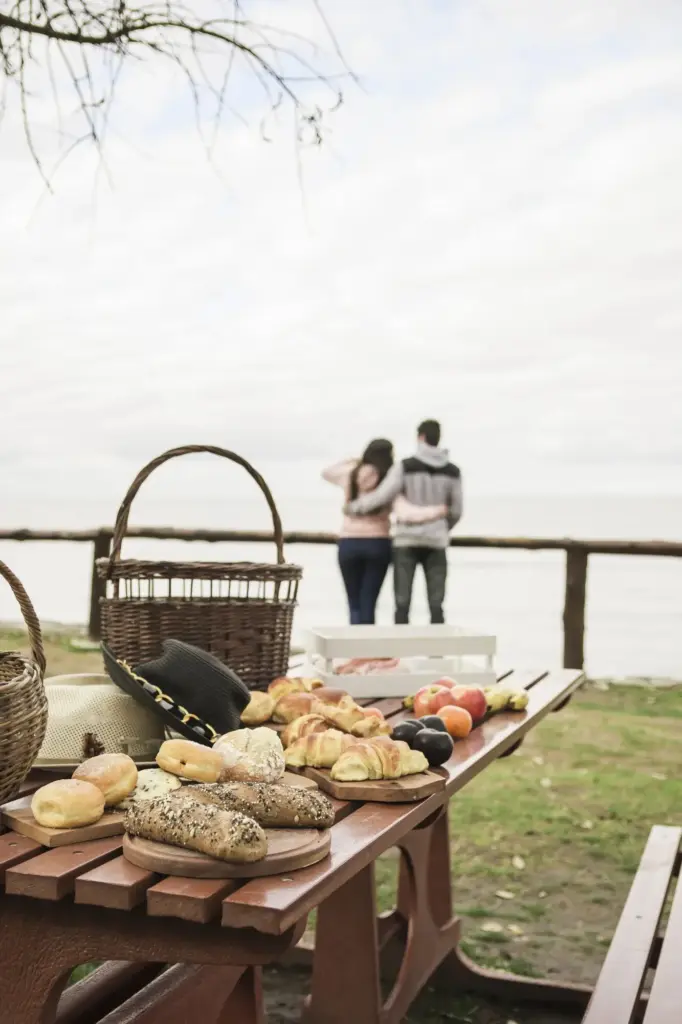
Order something local, then ask which footpath gives the best hedgerow scent after rain, or where the vista opens just before sunset. Owners often know bus quirks and shortcuts, and their suggestions align beautifully with the day’s rhythm, protecting timing while enriching experience.

Etiquette that Opens Doors

Walk single‑file on narrow lanes, greet people kindly, and stand aside for tractors that keep countryside life moving. Keep voices low near cottages, carry litter a little farther, and remember churches, greens, and village halls feel like living rooms rather than exhibits.

Offline Navigation You Can Trust

Before leaving, cache regional tiles, mark trailheads, and save a pin for the return stop on the opposite carriageway. Carry a printed sketch of turns between platforms and stands, preventing panic if arrows vanish or your phone chooses a nap at the worst moment.

Tickets, Payments, and Small Surprises

Contactless cards usually work, yet tiny operators may prefer coins or notes, so tuck a few in a dry sleeve. If an app glitches, buy a simple day ticket from the driver, smile, and keep both hands ready for curves on country lanes.

Weatherproof Plans for Sunshine or Showers

Pack a miniature umbrella and resealable bag, then pair every outdoor view with an indoor refuge: tearoom, museum nook, or church porch. Flexible sequencing—ruins after lunch, woods before rain—lets beauty lead while comfort, dryness, and warmth keep morale quietly, happily high.

Join the Journey

We publish fresh car‑free escapes regularly, and your insight shapes where we wander next. Share missed‑connection lessons, café gems, or gentle footpaths, and subscribe for weekly inspiration, printable checklists, and route updates that keep spontaneity alive without sacrificing safety, comfort, or those serendipitous conversations that change everything.